
What Cancer Revealed About What Truly Matters to Me
- Jasper Van Remundt
- Apr 30
- 5 min read


There is a particular kind of silence that arrives after a diagnosis. Not peaceful silence — the kind that lands between the words. After the doctor finishes speaking. After you call the person you love. After you close your eyes that first night and your mind finally runs out of things to think.
In that silence, something shifts.
Not immediately, and not gently. But over time, in the weeks and months that follow, something that used to feel like noise begins to quiet down. And beneath the noise — beneath the calendar full of obligations, the opinions of others, the carefully maintained image of who you were supposed to be — something essential remains.
Cancer does not destroy everything. But it does dissolve a great deal. And what it leaves behind is often more honest than anything you could have arrived at on your own.
The life I had been performing
Before my first diagnosis, I was busy. Not unusually so — most people are. I had things to do, places to be, a version of myself to maintain. I said yes when I meant no. I postponed the conversations that mattered and showed up to the ones that didn’t. I filled my days with movement, not necessarily direction.
I am not saying this with shame — I think it is how most of us move through our twenties, or thirties, or forties. We inherit a script without quite noticing, and we follow it because following it feels safer than stopping to ask: is this actually mine?
Cancer stopped me from asking that question gradually. It asked it all at once.
“What remains when everything unnecessary is taken away? That is the real question. And cancer asks it whether you are ready or not.”
What fell away first
In the early weeks, it was the small things that showed themselves most clearly. Certain friendships — the ones built on convenience rather than care — quietly dissolved. Not dramatically, not with conflict. They simply became impossible to maintain when I no longer had the energy to perform.
There is something clarifying about no longer having energy for performance. You find out very quickly who is there because they love you and who was there because you were useful. This is not a bitter observation. It is one of the more valuable things illness has taught me. It is far better to know.
What also fell away was a certain kind of ambition — the kind rooted in proving something. The status I was half-consciously chasing. The professional moves I was making not because they lit something in me, but because they seemed like the right moves to make. None of that felt urgent anymore. What felt urgent was entirely different.
What stayed
The people who stayed stayed completely. I want to name this slowly, because I think it is the most important thing I discovered. In the hardest weeks of treatment, when I was tired in a way I had never experienced before — the kind of tired that lives in your bones — certain people simply showed up. Without being asked. Without needing anything in return.
My relationship with my own body also changed. Not immediately, and not without difficulty. At first, my body felt like something that had betrayed me. But over time — through breathwork, through gentle movement, through learning to pay attention to what it was actually communicating — I began to understand it differently. Not as an enemy. As a messenger. One that had been sending signals I hadn’t known how to read.
And presence. Presence stayed. Or rather, presence became available in a way it hadn’t been before. When you are not sure how much time you have, time changes quality. A morning coffee becomes something to savour rather than something to finish. A conversation becomes a place to actually arrive, rather than somewhere to be before the next thing.
“When you stop running from the moment, the moment becomes enough. More than enough. It becomes everything.”
The values that clarified
I have thought a great deal about the word ‘values’ since my diagnosis. Before cancer, values were something I might have named in a job interview. Honesty. Integrity. Growth. Words that felt real but lived at a slight remove from how I actually moved through my days.
After cancer, values became something different. They became practical. They became the things I actually organised my choices around — not the things I said I believed in, but the things I demonstrated I believed in, day after day.
Connection became primary. Not connection as networking, not connection as social proof — but real, quiet presence with the people who matter. The conversations without agenda. The meals eaten slowly. The willingness to call someone just to say: I was thinking of you.
Meaning became essential. I found I could no longer do things that felt hollow and convince myself they were worth it. That capacity had been dissolved. Something in me required that what I spent my time on actually mattered — not to an imagined audience, but to me.
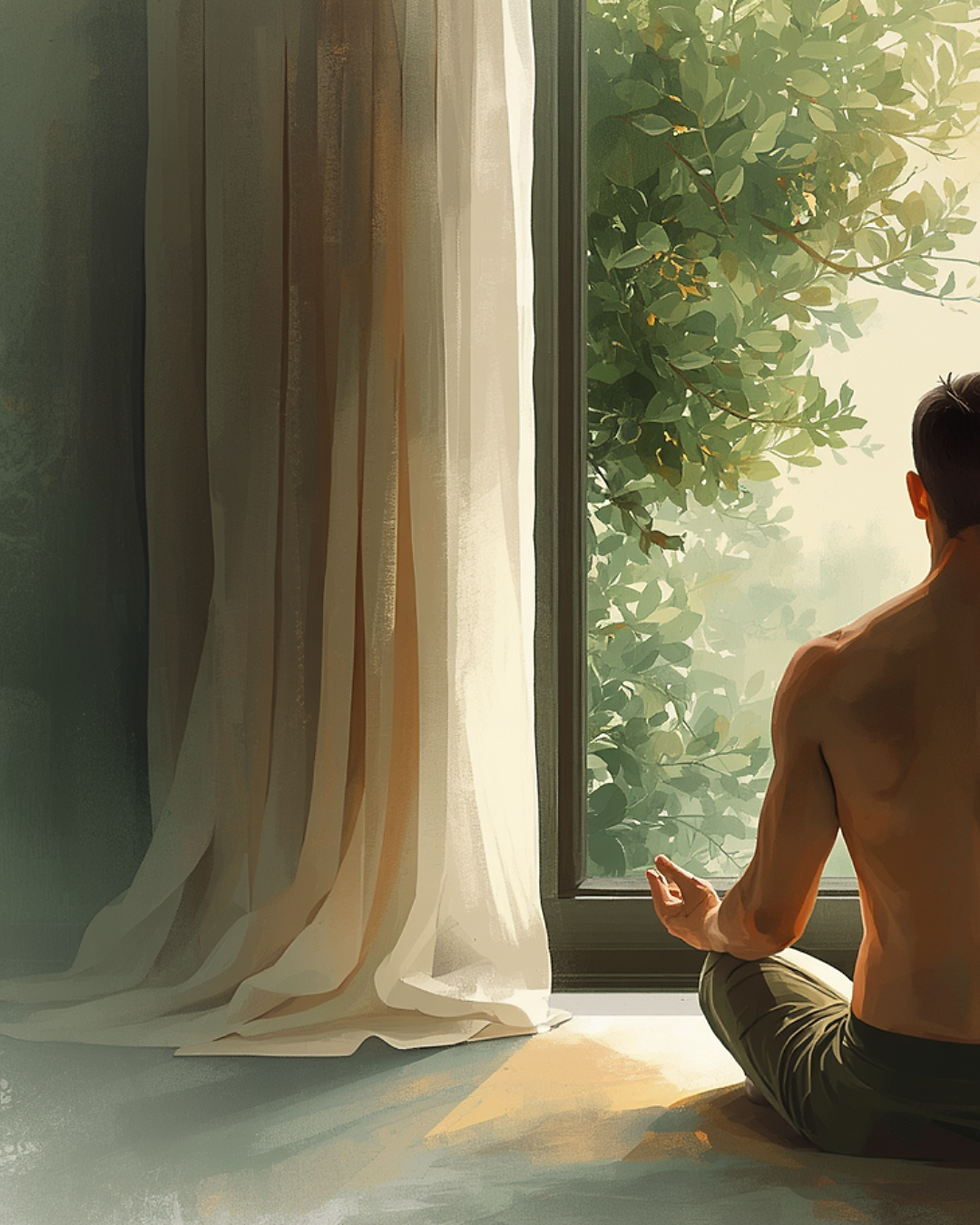
And stillness. A value I would not have named before, but one I now consider non-negotiable. The ability to sit with myself, with the quiet, with what is — without needing to fill it. This is not something cancer gave me painlessly. It is something it demanded of me, repeatedly, until I began to understand why.
What I want to say to you
If you are reading this and you are in the middle of your own experience — whether newly diagnosed, deep in treatment, or navigating the strange terrain of life after cancer — I want to offer you this:
The clarity that is coming, if it hasn’t arrived yet, is real. Not comfortable, not welcome, and not always gentle. But real. And it is yours.
The things that fall away are not lost. They are released. And what remains — what actually remains when the performance stops and the noise quiets — is something worth knowing.
I will not tell you that cancer is a gift. I do not believe in wrapping difficulty in language that makes it easier to dismiss. What I will say is that the clarity it brings is rare, and it is honest, and most people spend their whole lives searching for it without finding a way through.
You did not choose this path. But you are on it. And there are things here — things about yourself, about what you love, about what you cannot live without — that you will carry forward long after treatment ends.
The question is not what cancer took. The question is what it revealed.
And what remains.
No noise. Just thoughtful emails when it matters.


Comments