
Anxiety During Chemotherapy: What I Wish I Had Known Before My First Infusion
- Jasper Van Remundt
- Mar 3
- 5 min read


The first time I was prescribed chemotherapy, I didn’t even really know what it was.
I thought it was something like radiotherapy.
Something external.
Something directed.
Only later did I realize:
Chemotherapy is a substance going directly into your veins.Into your bloodstream.
Into your entire system.
And I remember thinking:
How can this possibly kill cancer?
It felt like magic. Dark magic.
And if I’m honest — terrifying.
If you are experiencing anxiety during chemotherapy, or you’re about to start treatment and you’re searching “what to expect during chemotherapy” or “how to cope with chemo anxiety”, I want to speak to you openly.
It is completely normal to be anxious.
Chemotherapy is not a simple medicine with no side effects.
It is powerful.
And power can be frightening.
The Fear of Chemotherapy Is Real
When you understand that chemotherapy circulates through your entire body, one thought naturally arises:
What else will it kill?
This is where anxiety during chemotherapy often begins.
You start imagining:
Hair falling out
Nausea
Weakness
Organ damage
Long-term effects
And yes — I lost my hair.
My nails became brittle.
My appetite changed.
Food tasted metallic.
Energy fluctuated dramatically.
Chemotherapy side effects are real.
But here is what’s equally real:
Medication helps.
Antinausea drugs help. Pain medication helps. Supportive treatments help.
You do not need to be a hero.
You do not need to endure everything raw.
Chemotherapy is aggressive by design — it targets rapidly dividing cells.
And yes, it affects healthy cells too.
That’s why it works. And that’s why it’s hard.
Both truths can exist at the same time.
Be Anxious — It’s Normal
One of the biggest mistakes we make when dealing with chemotherapy anxiety is trying to eliminate it completely.
You’re about to receive a substance that alters your cells.
Of course your nervous system reacts.
Anxiety is not weak.
It is biology.
Your brain interprets chemotherapy as threat.
So instead of fighting anxiety, try this:
Let it form.
Feel it in your chest. In your stomach. In your throat.
There is nothing wrong with feeling anxious.
Suppressing it often makes it worse.
Observing it reduces its intensity.
When I stopped judging my fear, it softened.
Chemotherapy Is Not Just “Crazy Chemicals”
We often think of chemotherapy as some artificial, harsh laboratory invention.
And yes, it is synthesized and refined in medical labs.
But here’s something that surprised me deeply:
Some chemotherapy drugs originate from plants.
The Madagascar periwinkle. The autumn crocus.
Flowers.
Let that sink in.
Flowers.
The same planet that grows beauty also grows powerful medicinal compounds.
This changed something in me.
Instead of seeing chemotherapy only as a toxic chemical, I began seeing it as a concentrated plant-derived medicine, refined, intensified, and directed.
That shift in perception reduced my anxiety.
Because belief influences how we experience treatment.
Coping With Anxiety During Chemotherapy
If you’re asking, “How do I deal with chemotherapy mentally?”, here are practical things that genuinely helped me.
1. Talk to People Who Are Also in Treatment
Family support is important.
But talking to people who are actually sitting in the chemo room with you is different.
They understand the fatigue. The fear. The strange taste in your mouth. The numbness in your fingers.
Shared experience reduces isolation.
And isolation intensifies anxiety.
During treatment sessions, I started conversations.
“How are you dealing with this?”
Sometimes the answers were simple.
Sometimes they were raw.
But connection regulates the nervous system.
2. Take the Supportive Medication
Take the anti-nausea drugs.
Take the painkillers if prescribed.
Yes, they can make you feel numb.
But they reduce suffering.
And reducing suffering reduces stress.
Stress increases inflammation and exhaustion.
There is no prize for unnecessary discomfort.
But also stay aware.
3. Eat Whole Food — But Listen to Your Body
Nutrition during chemotherapy can feel confusing.
You’ll read about organic diets.
Anti-inflammatory foods.
Sugar avoidance.
Special cancer diets.
Here’s what I learned:
Try to eat whole, organic foods when possible.
But listen to your body.
Some days you may crave simple carbohydrates.
Some days only soup feels tolerable.
Rigid rules create stress.
Stress during chemotherapy is counterproductive.
Support your body — don’t punish it.
4. Supplements — Carefully and Professionally Guided
Some supplements may support immune function or reduce side effects.
But this must always be discussed with your oncology team.
Not all supplements are safe during chemotherapy.
Some interfere with treatment.
Natural support during chemotherapy should be informed and responsible.
Always ask.
5. Fasting During Chemotherapy — My Honest Experience
There is growing conversation around fasting during chemotherapy.
I tried it.
And yes — during the infusion itself, side effects felt milder.
But the day after was worse.
I felt extremely weak. Drained. Almost depleted.
For me, the trade-off wasn’t worth it.
This is personal.
Every body responds differently.
What matters most is energy sustainability.
Chemotherapy already challenges your system.
Extreme interventions can add stress.
6. Visualization: Reframing the Medicine
One of the most powerful tools for anxiety during chemotherapy was visualization.
When the medicine entered my veins, instead of imagining poison spreading, I imagined precision.
I visualized the medicine targeting only what needed to be eliminated.
I imagined it as light.
Or as a guided force.
I chose to believe it was helping me.
Belief doesn’t change the chemistry.
But it changes your nervous system’s reaction to it.
When you feel like the medicine is attacking you, anxiety increases.
When you see it as supporting you, tension decreases.
And tension affects experience.
Chemotherapy and Mental Health
Chemotherapy affects more than your body.
It affects mood. Cognition. Emotional stability.
“Chemo brain” is real.
Fatigue amplifies anxiety.
Hormonal shifts affect emotional regulation.
If you feel mentally unstable at times — it is not weakness.
It is physiological.
This is why mental health support during chemotherapy is essential.
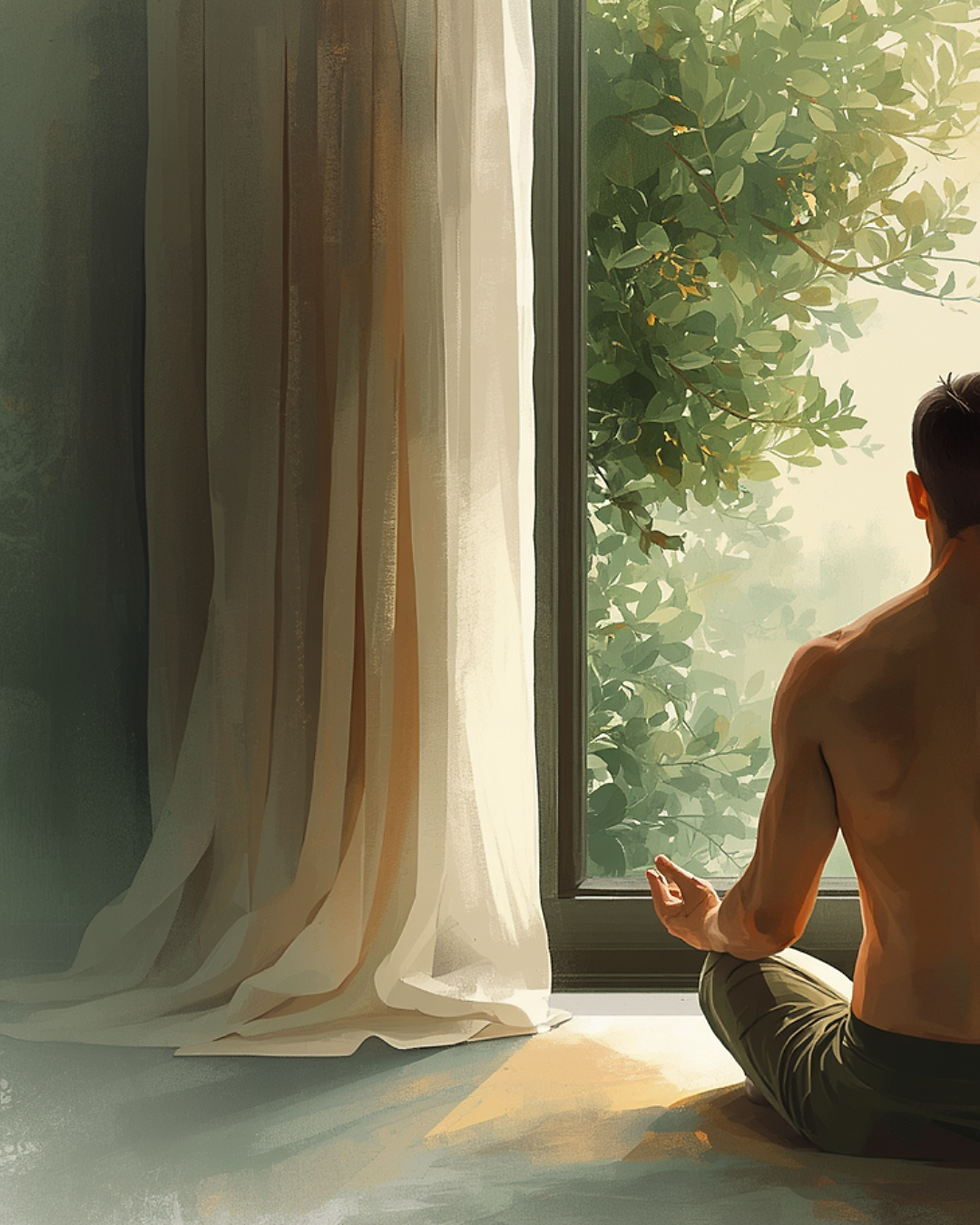
Therapy. Meditation. Breathwork. Community.
The Nervous System During Chemotherapy
When anxiety spikes before an infusion, try this:
Slow your exhale.
Make the exhale longer than the inhale.
This activates the parasympathetic nervous system.
It tells your body:
“I am safe enough right now.”
You cannot eliminate chemotherapy anxiety entirely.
But you can regulate it.
Regulation creates resilience.
It Is Okay to Be Scared
Chemotherapy is intense.
It changes your appearance. Your energy. Your daily rhythm.
You are allowed to grieve that.
You are allowed to be angry.
You are allowed to question everything.
You are allowed to feel fear.
Just don’t let fear isolate you.
Anxiety thrives in silence.
It softens in connection.
Final Reflection
If you are about to start chemotherapy, or you are in the middle of it, and your anxiety feels overwhelming, hear this:
You are not dramatic. You are not weak. You are human.
Chemotherapy is powerful medicine.
Yes, it comes with side effects.
Yes, it can feel like “crazy chemicals.”
But it is also medicine derived from this planet — sometimes even from flowers.
And medicine can help.
Be anxious if you are anxious.
Observe it.
Talk about it.
Support your body with food, rest, and medication.
Visualize the treatment helping you.
And remember:
You are not just receiving chemotherapy.
You are navigating one of the most intense experiences a human body can endure.
And that deserves compassion — especially from yourself.


Comments